Over the last few years, I have done a roughly annual series covering particular groups of mammals, exploring all the different species, familiar and unfamiliar, that belong to them. (If you haven't read the past ones, the link "
Synapsida Series" points to the list of them; note that the individual posts appear in reverse chronological order once you select a series to view). One problem with selecting which groups to cover in a given year is that only some groups will really work, and, even then, some are clearly better than others.
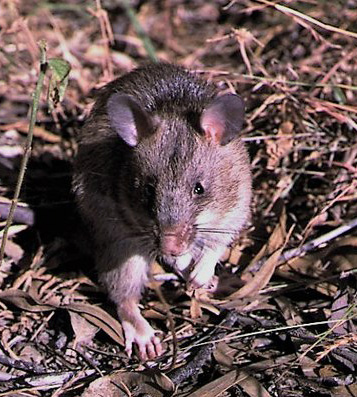
One problem, for example, is that some groups are simply too large, and if you split them down into narrower groups that are more easily handled, there's no longer enough variety for it to be worth it. Such is particularly true of small mammals. There are over 700 species in the mouse family, for instance, with over 500 of those in the "murine" subfamily, which includes all of the familiar ones. Even if it would be practical to describe them all, most of the individual species haven't been studied in any detail, so you'd rapidly get a long list of "looks mouse-like, lives in XX".